
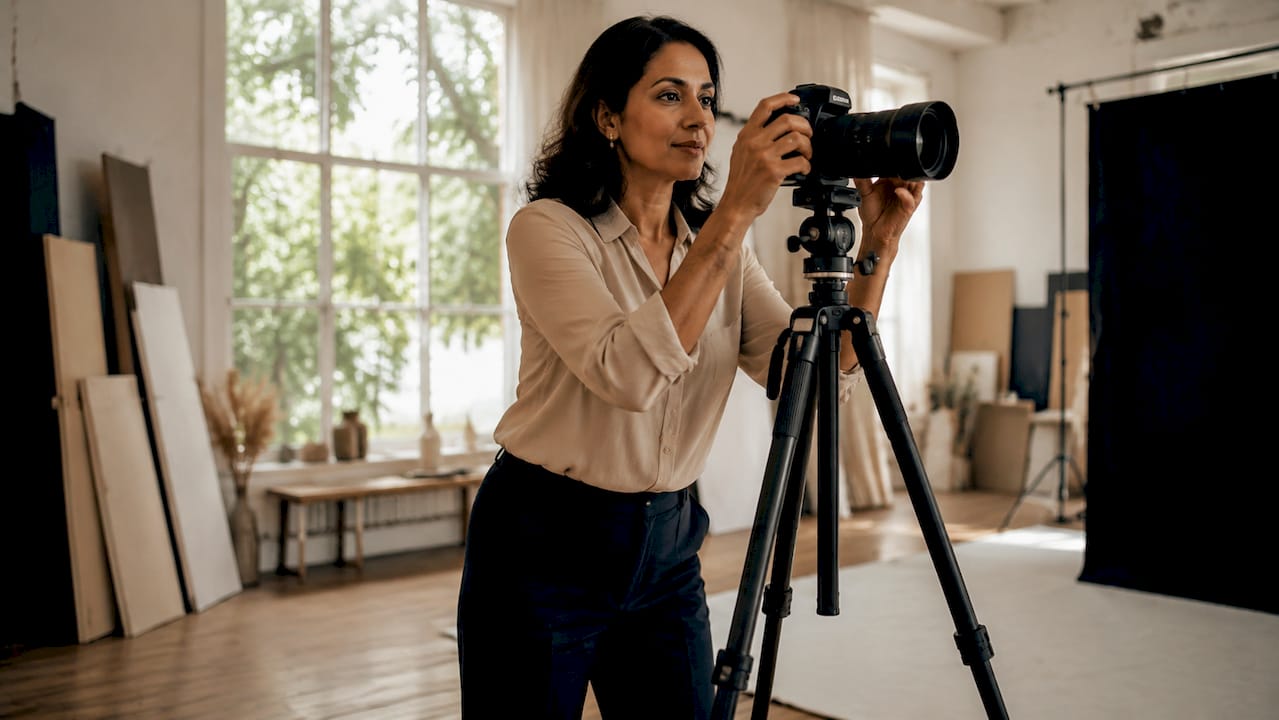
TL;DR:
- Lighting is a crucial element in business portrait photography, shaping facial features and emotional tone. The standard three-point lighting setup, involving key, fill, and rim lights, creates depth and professionalism. Proper placement and ratios of light influence the mood and perception, making preparation before the shoot essential.
Lighting is the single most powerful variable in business portrait photography. It sculpts facial features, controls shadow depth, and sets the emotional tone that shapes how viewers perceive you before you say a word. The role of lighting in business portraits goes far beyond simple exposure. Shadows define form, and no amount of post-production can fix a fundamentally poor lighting setup. Whether you are updating your LinkedIn photo, refreshing your company website, or building a personal brand, understanding how light works gives you a real advantage.
What are the fundamental lighting techniques for business portraits?
Three-point lighting is the industry standard for professional business portraits. It uses three distinct light sources, each with a specific job: the key light, the fill light, and the rim light. Together, they create the depth, dimension, and polish that separate a professional headshot from a casual snapshot.
Here is what each light source does:
- Key light: This is your primary light source. A soft, diffused key light placed at roughly 45 degrees to the subject creates flattering shadows without harsh lines. Softboxes and octaboxes are the most common modifiers used here because they spread light evenly across the face.
- Fill light: The fill light sits on the opposite side of the key light and controls how deep the shadows fall. A stronger fill produces a brighter, more open look. A weaker fill lets shadows deepen for more contrast and dimension.
- Rim light (or back light): Positioned behind and to the side of the subject, the rim light traces a thin line of light along the shoulder and hair. It separates the subject from the background and adds a three-dimensional quality that flat, single-source lighting cannot achieve.
Light placement and angle matter as much as the equipment itself. Moving a softbox just a few inches changes where shadows fall on the nose, cheekbones, and jaw. That shift changes the entire mood of the image.
Pro Tip: If you are working with a photographer for the first time, ask to see a test shot before the full session begins. A quick preview tells you immediately whether the key light is flattering your face or casting unwanted shadows under your eyes.
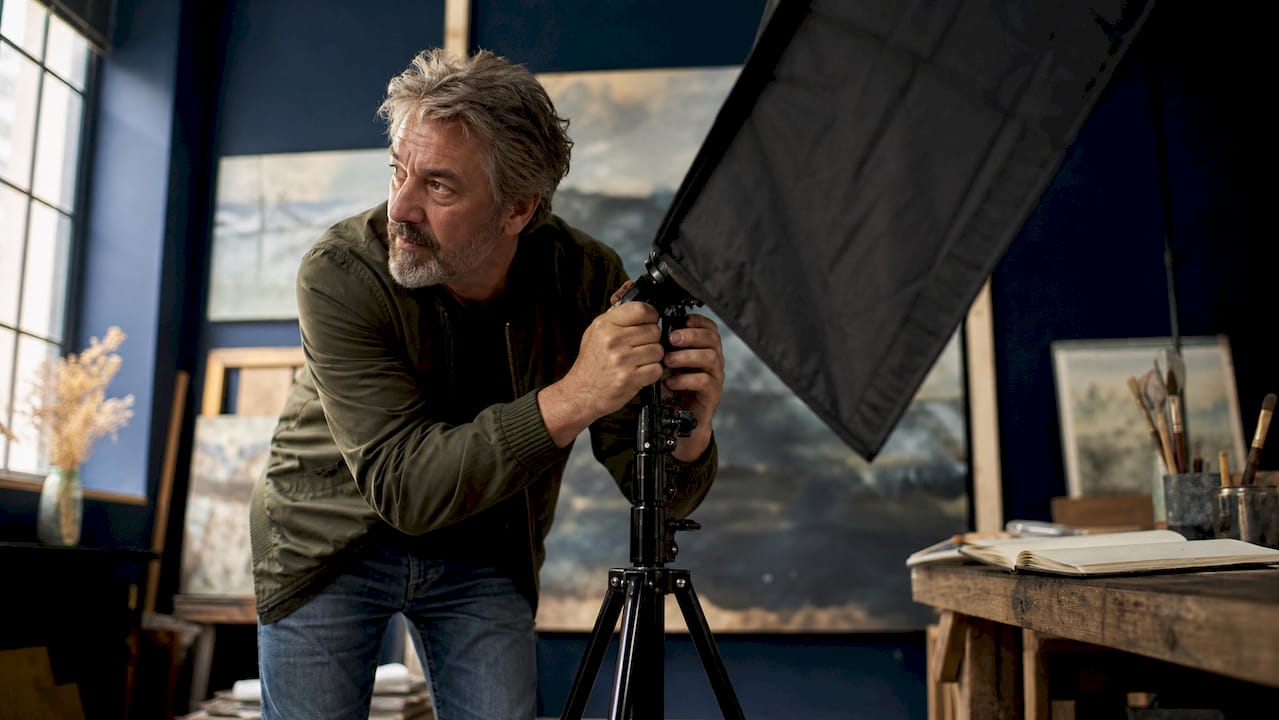
How do lighting ratios shape the mood of your portrait?
Lighting contrast ratios measure the difference in brightness between the lit side of the face and the shadow side. That ratio is one of the most direct controls a photographer has over the emotional tone of your portrait. A small ratio produces a bright, even look. A large ratio creates drama and depth.
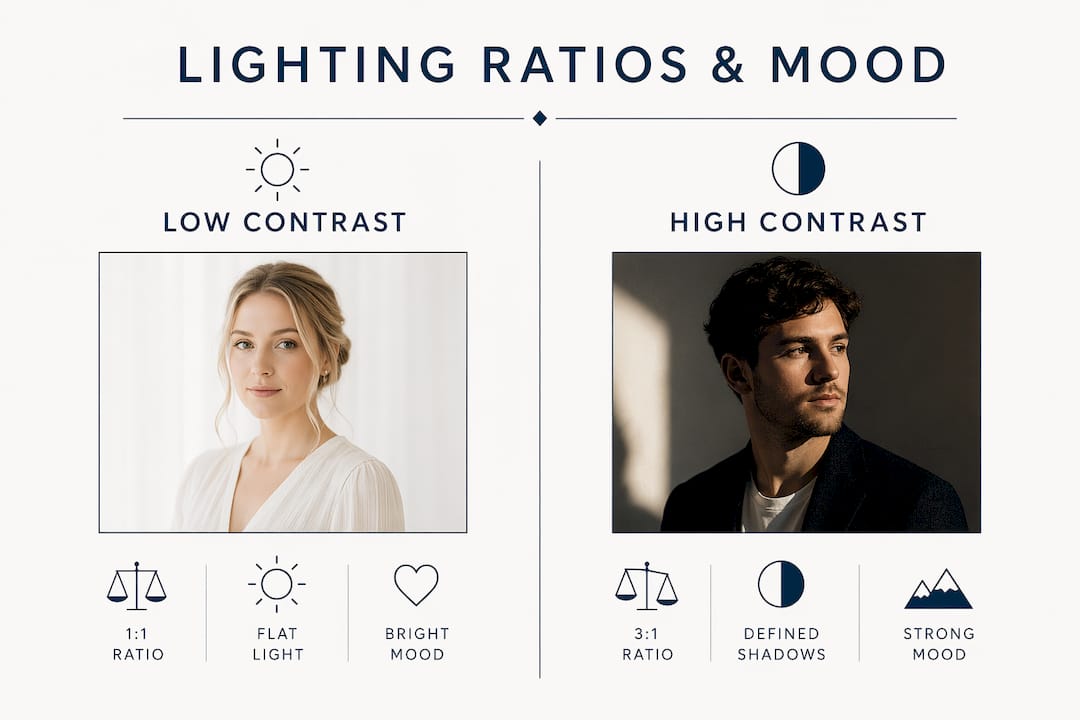
The table below shows how different ratios translate into real-world portrait styles:
| Ratio | Shadow Depth | Mood | Typical Use |
|---|---|---|---|
| 1:1 | None | Flat, bright, open | High key commercial, medical |
| 2:1 | Gentle | Friendly, approachable | LinkedIn, corporate teams |
| 3:1 | Moderate | Confident, polished | Executive headshots |
| 4:1 | Strong | Dramatic, authoritative | Creative professionals, speakers |
| 5:1+ | Deep | Moody, cinematic | Artists, performers |
High key lighting uses a 1:1 to 2:1 ratio and minimizes shadows to create bright, optimistic portraits. It works well for healthcare professionals, educators, and anyone whose brand centers on warmth and accessibility. Low key lighting uses ratios of 4:1 or higher and is generally too dramatic for standard corporate branding. It suits creative directors, keynote speakers, and executives who want to project authority.
Most business professionals land best in the 2:1 to 3:1 range. That window gives you enough shadow to look three-dimensional without looking severe.
Pro Tip: Tell your photographer the platforms where your portrait will live before the session starts. A LinkedIn photo performs best with a 2:1 ratio. A speaker bio photo on a dark website background can carry a 3:1 or 4:1 ratio without looking out of place.
What lighting patterns work best for professional portraits?
Lighting pattern choice is the decision to shape a specific shadow geometry on the face. Each pattern communicates something different to the viewer, and the right choice depends on the impression you want to make.
The three patterns used most often in professional portrait photography are:
- Loop lighting: The key light sits slightly above eye level and about 30–45 degrees to the side. It creates a small shadow that loops down from the nose toward the corner of the mouth. Loop lighting is the most universally flattering pattern for business portraits. It reads as approachable, confident, and natural.
- Rembrandt lighting: Named after the Dutch painter, this pattern places the key light higher and further to the side, creating a small triangle of light on the shadow-side cheek. Rembrandt lighting requires precise key light height and angle to achieve the signature effect. It projects depth and authority, making it a strong choice for senior executives and attorneys.
- Split lighting: The key light sits directly to the side of the subject, dividing the face into one fully lit half and one fully shadowed half. Split lighting is dramatic and bold. It works for creative professionals and performers but is generally too intense for standard corporate use.
One detail that separates polished portraits from mediocre ones is the catchlight. Catchlights are the small reflections of the light source visible in the subject’s eyes. They signal attentiveness and life. A portrait without catchlights looks flat and disconnected, even if the exposure is technically correct.
Placing the key light too high is one of the most common mistakes in portrait photography. It casts deep shadows into the eye sockets and eliminates catchlights entirely. The fix is straightforward: lower the key light until you see a clear reflection in both eyes.
How do you apply lighting principles across different settings?
Studio lighting gives you full control, but most business professionals also need portraits taken on location, whether at a corporate office, a conference, or an outdoor venue. The good news is that professional lighting setups can be replicated almost anywhere with the right equipment and preparation.
Here is a practical process for getting consistent results in any setting:
- Assess the ambient light first. Walk the space before setting up any equipment. Identify windows, overhead fluorescents, and any colored walls that could cast unwanted tones on the subject’s face.
- Use softboxes or shoot-through umbrellas as your key light. Both modifiers diffuse light broadly and create the soft, even illumination that flatters faces. A 24-inch to 36-inch softbox is portable enough for most on-location shoots.
- Add a reflector as your fill light. A collapsible silver or white reflector bounces the key light back into the shadow side of the face. It is lightweight, requires no power source, and gives you precise control over shadow depth.
- Use a rim light to separate the subject from the background. Even a small speedlight positioned behind the subject adds the separation that makes a portrait look dimensional rather than flat.
- Control your lighting with wireless triggers. Wireless lighting controls let you adjust light power and ratio from the camera position without walking back to each unit. That keeps the session moving and maintains the energy in the room.
Different industries call for different lighting personalities. A financial advisor benefits from the clean, even look of a 2:1 ratio with loop lighting. A creative director might want the stronger contrast of a 3:1 Rembrandt setup. A LinkedIn photo that converts relies on bright, approachable lighting that reads well at thumbnail size.
Pro Tip: Bring two wardrobe options to every portrait session. Lighting that looks great on a white shirt can behave differently on a dark blazer. Having a backup lets you and your photographer make the best call on the day.
Key takeaways
Lighting is the foundation of every effective business portrait, and getting it right requires deliberate choices about technique, ratio, and pattern before the camera shutter fires.
| Point | Details |
|---|---|
| Three-point lighting is the standard | Key, fill, and rim lights together create depth, dimension, and professional polish. |
| Ratios control mood | A 2:1 ratio reads as approachable; a 4:1 ratio projects authority. Match the ratio to your brand. |
| Pattern choice shapes perception | Loop lighting flatters most faces; Rembrandt projects authority; split suits creative professionals. |
| Catchlights are non-negotiable | Visible eye reflections signal attentiveness and life. No catchlights means the portrait falls flat. |
| Location shoots need preparation | Assess ambient light, use softboxes and reflectors, and rely on wireless controls for consistent results. |
Why lighting is the one thing i never compromise on
After working with hundreds of professionals across South Florida, I have seen one pattern repeat itself more than any other. Clients arrive focused on wardrobe, background color, and expression. Almost none of them think about lighting until they see the difference it makes in the first test shot.
The most common misconception I encounter is that good lighting is a luxury, something that matters more for advertising campaigns than for a LinkedIn headshot. That belief costs people. A portrait with flat, unflattering light reads as low-effort, regardless of how polished the subject looks in person. Viewers make trust decisions in seconds, and light is the first signal they process.
What I have found is that the lighting conversation needs to happen before the session, not during it. When we talk through your industry, your brand personality, and where the images will live, we can dial in the right ratio and pattern before you ever sit down in front of the camera. That preparation is what makes the session feel calm and the results look intentional.
The other thing worth saying plainly: post-processing cannot fix bad lighting. Retouching can smooth skin and correct color, but it cannot rebuild shadows that were never shaped correctly in the first place. The impact of lighting on business images is set the moment the shutter fires. Getting it right at the source is the only approach that works.
— Mike
How eric campbell photography approaches lighting for your brand
At Eric Campbell Photography, every session starts with a conversation about your goals, your industry, and the platforms where your images will live. That context drives every lighting decision, from the ratio we choose to the pattern we set before you walk in front of the camera. We use professional softboxes, wireless lighting controls, and calibrated fill setups to deliver consistent, polished results whether you are shooting in our Fort Lauderdale studio or at your office across South Florida. If you are ready to see what the right light does for your professional image, explore our professional headshot services or browse our traditional headshot options to find the session that fits your goals.
FAQ
What is the role of lighting in business portraits?
Lighting sculpts facial features, controls shadow depth, and sets the emotional tone that shapes viewer perception. Without deliberate light placement, even a well-composed portrait can look flat and unprofessional.
What lighting ratio is best for corporate headshots?
A 2:1 key-to-fill ratio is the standard for approachable corporate portraits, while a 3:1 ratio works well for executive images that need to project confidence and authority.
Why do catchlights matter in business portraits?
Catchlights are reflections of the light source in the subject’s eyes. They signal attentiveness and energy. Portraits without catchlights look dull and disconnected, regardless of technical exposure quality.
Can bad lighting be fixed in post-production?
No. Retouching corrects skin tone and minor blemishes, but it cannot rebuild shadows that were shaped incorrectly at the time of capture. Proper lighting setup before the shoot is the only reliable solution.
What lighting pattern is most flattering for business portraits?
Loop lighting is the most universally flattering pattern for business portraits. It places the key light slightly above eye level and 30–45 degrees to the side, creating a natural shadow that reads as confident and approachable.