

TL;DR:
- A good business photo combines technical clarity, authenticity, and brand consistency to build trust and recognition. Such images rely on sharp focus, proper lighting, natural expressions, and intentional composition to effectively represent the business. Avoiding common mistakes and strategically using high-quality photos across platforms enhances credibility, engagement, and overall brand impact.
A good business photo is defined by three qualities working together: technical clarity, authentic representation, and deliberate brand alignment. When all three are present, the image does something no caption or tagline can do alone. It builds trust before a single word is read. For professionals and business owners, that trust is the difference between someone clicking through or scrolling past.
Professional business photography, the recognized industry term for this discipline, covers everything from executive headshots and team portraits to workspace imagery and product shots. The phrase “good business photo” gets searched constantly because most people sense when a photo is working and when it is not. They just do not always know why. This article breaks that down precisely, covering the technical standards, authenticity factors, common mistakes, and strategic uses that separate forgettable images from ones that genuinely move the needle for your brand.
What makes a good business photo technically
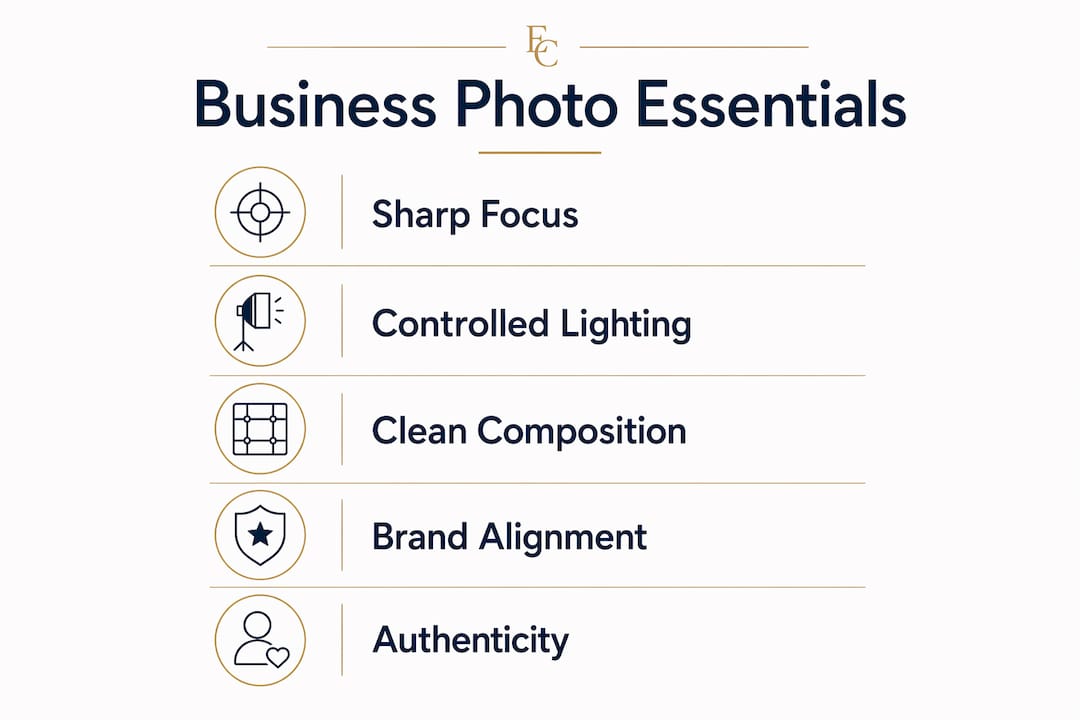
The foundation of any effective business photo is technical quality. Crisp focus, appropriate lighting, and clean composition are the three non-negotiable elements. Without them, even the most authentic subject matter falls flat.
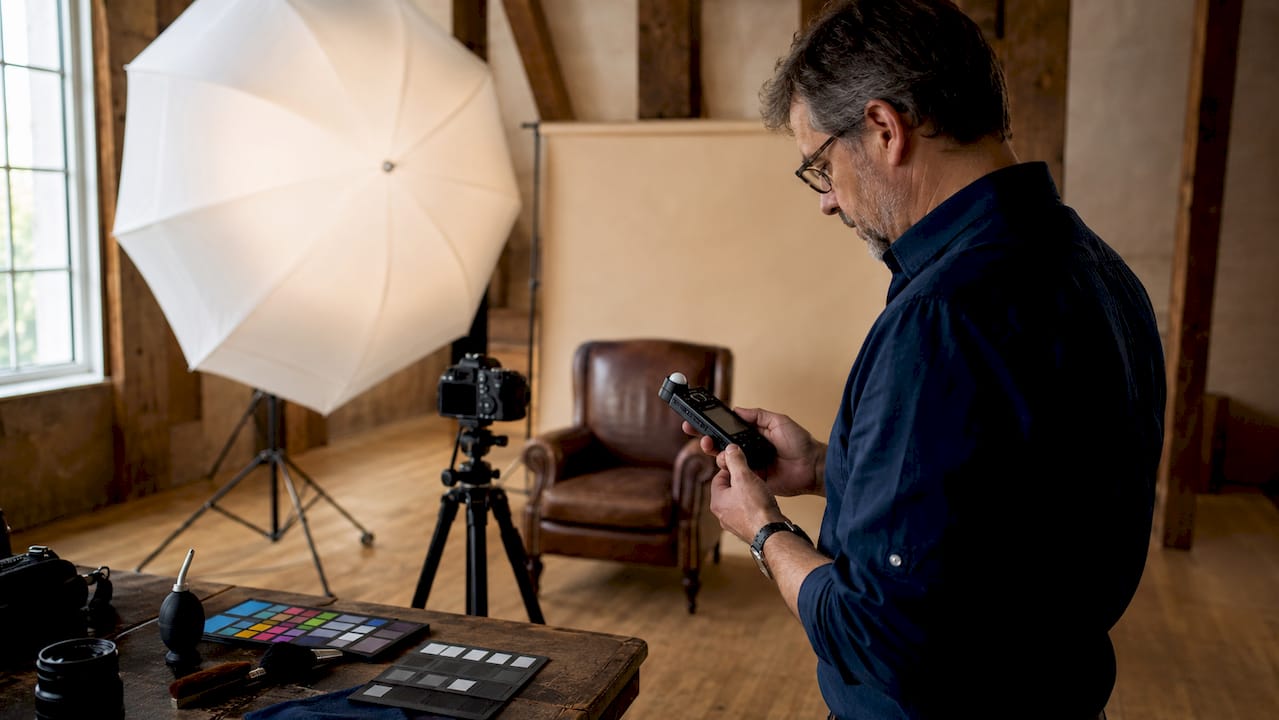
Lighting is the single most controllable variable in photography, and it is also the most commonly mishandled. Soft, even illumination with no harsh shadows creates warmth and approachability, while flat overhead light or direct flash produces unflattering shadows that undermine professionalism. Natural window light works well in the right conditions, but studio modifiers give photographers consistent control regardless of time of day or weather.
Focus and resolution matter just as much. A blurry or pixelated image signals carelessness, and that signal transfers directly to your brand. Viewers make snap judgments about quality, and a soft or grainy photo tells them your standards are equally soft. Every business photo intended for a website, LinkedIn profile, or printed material should be sharp enough to hold up at the display size it will be used at.
Composition is where many business photos quietly fail. Intentional framing means the subject is placed with purpose, the background supports rather than competes, and no key visual elements are cropped out. Cutting off a logo, a product label, or even a person’s shoulder creates a sense of incompleteness that readers register subconsciously.
| Element | Strong example | Weak example |
|---|---|---|
| Lighting | Soft, even studio light with no shadows | Harsh overhead fluorescent or direct flash |
| Focus | Tack-sharp subject at full resolution | Blurry or pixelated at web display size |
| Composition | Subject centered with clean, intentional background | Cluttered background, cropped logo or signage |
| Expression | Relaxed, natural, engaged | Stiff, forced smile, eyes not connecting |
Pro Tip: Before any shoot, check your intended display size. A photo that looks fine as a small thumbnail often reveals blur or poor framing when expanded to a website hero image or a printed banner.
How authenticity and brand alignment shape a photo’s impact
Technical quality gets a photo noticed. Authenticity is what makes it trusted. Generic or overly polished stock imagery creates a credibility gap because viewers sense the disconnect between what they see and what the business actually is. Real photos of your actual team, workspace, products, or finished work close that gap immediately.
“If someone has to guess what the image shows, it’s probably not doing its job.” This standard applies to every business photo you publish, from your LinkedIn banner to your Google Business profile.
Authentic business imagery takes several forms, and each serves a different purpose:
- Team photos show the people behind the brand, making the business feel human and approachable rather than corporate and distant.
- Workspace shots communicate your environment, your process, and your standards without requiring any text explanation.
- Product and service imagery demonstrates what you actually deliver, which is far more persuasive than a description alone.
- In-action photos capture real work being done, reinforcing competence and credibility in a way that posed portraits cannot.
Brand alignment means every photo you publish looks like it belongs to the same visual family. Consistent color tones, similar lighting styles, and a coherent backdrop approach across your website, social media, and printed materials make your brand easier to recognize and trust. A LinkedIn headshot that looks nothing like your website team photo creates subtle friction. Viewers notice the inconsistency even if they cannot name it.
The practical takeaway is straightforward. Invest in photos that show your real business, your real people, and your real work. Then apply a consistent visual style across all of them. That combination does more for your brand than any stock photo library ever could. For a deeper look at how this plays out in practice, the benefits of professional business photos are worth reviewing before your next shoot.
Common mistakes that weaken business photos
Knowing what defines a professional photo is only half the picture. Understanding what undermines one is equally useful. These are the most frequent errors that reduce a business photo’s effectiveness:
Poor lighting choices. Dark, shadowy images or photos taken under harsh fluorescent office lighting are the most common technical failure. They make subjects look tired and environments look uninviting.
Blurry or low-resolution files. Using a phone photo taken in a rush, or exporting at too low a resolution for the intended display size, immediately signals that quality is not a priority.
Cluttered or distracting backgrounds. A busy background pulls attention away from the subject. Viewers’ eyes go to movement, contrast, and color. If the background competes, the subject loses.
Overly staged or unnatural poses. Stiff, forced expressions and rigid postures make subjects look uncomfortable. Natural smiles and relaxed poses consistently outperform manufactured ones because viewers read body language accurately and quickly.
Inconsistent visual style across platforms. Mixing warm-toned casual photos on Instagram with cold, formal shots on your website creates a fragmented brand impression. Consistency across platforms is a best practice in business photography that many owners overlook until it becomes a problem.
Cropping out key brand elements. Cutting off a logo, a product, or even a person’s hands during a task removes context that the viewer needed to understand the image fully.
Pro Tip: Run a quick audit of every photo currently published on your website, LinkedIn, and Google Business profile. If the lighting, tone, or style varies significantly between platforms, that inconsistency is costing you credibility.
How to use business photos strategically across your brand
Well-crafted photos do not just look good. They function as trust signals, SEO assets, and conversion tools when placed and maintained correctly. Professional photography signals that a company takes its own standards seriously, and that signal reaches viewers before they read a single sentence.
Here is how to put that to work across your platforms:
- Website homepage and about page. These are the highest-traffic pages for most service businesses. Authentic team and workspace photos here reduce bounce rates because visitors feel they have landed somewhere real.
- LinkedIn profiles and company pages. A polished, sharp headshot with a natural expression projects competence and personality. It is often the first image a potential client or employer sees before any other content.
- Google Business profile. Photos on your Google listing directly affect how potential customers perceive your business before they visit your website. Updating photos regularly with current images of your team, workspace, or products reduces doubts about whether the business is active and attentive.
- Social media content. Original, high-quality images outperform stock photos in engagement across LinkedIn, Instagram, and Facebook. They also support SEO when properly tagged with descriptive alt text.
- Press, proposals, and speaker bios. A single strong headshot used consistently across these materials reinforces name recognition and professional credibility over time.
| Platform | Primary photo type | Key quality standard |
|---|---|---|
| Professional headshot | Sharp focus, neutral or clean background | |
| Website homepage | Team or workspace | Consistent lighting, brand-aligned style |
| Google Business | Real team and location | Current, well-lit, clearly identifiable |
| Social media | In-action or lifestyle | Authentic, on-brand, high resolution |
| Press and bios | Executive headshot | Polished, natural expression, print-ready |
Consistent visual quality across all these touchpoints increases brand recognizability and memorability. Think of it as a visual handshake. Every time someone encounters your brand image and it looks the same, their confidence in you grows slightly. That accumulation matters.
Key takeaways
A good business photo succeeds because it combines technical precision, authentic subject matter, and consistent brand alignment across every platform where it appears.
| Point | Details |
|---|---|
| Technical quality is non-negotiable | Sharp focus, controlled lighting, and clean composition are the baseline for any effective business photo. |
| Authenticity outperforms stock imagery | Real photos of your team, workspace, and work build more trust than polished generic images. |
| Consistency drives brand recognition | Matching visual style across LinkedIn, your website, and Google Business makes your brand easier to remember. |
| Common mistakes are avoidable | Poor lighting, blurry files, and inconsistent style are the top reasons business photos underperform. |
| Strategic placement multiplies impact | Placing strong photos on high-traffic pages and keeping them current turns imagery into a conversion asset. |
What I have learned after years of watching business photos succeed and fail
After more than a decade working with professionals, executives, and business owners across South Florida, I have noticed a consistent pattern. The photos that perform best are rarely the most technically perfect ones. They are the ones where the subject looks like themselves on a good day, not a version of themselves they thought a camera required.
Most people walk into a shoot with a mental image of what a “professional photo” looks like. Stiff posture, forced smile, neutral expression. That image is wrong. Visual storytelling through authentic images differentiates a company in industries where services look identical on paper. The photo that shows a real person, genuinely relaxed and engaged, does more for conversion than a technically flawless but lifeless portrait.
The other misconception I see constantly is that expensive gear solves the problem. It does not. Lighting technique, subject direction, and post-processing discipline matter far more than the camera body. A skilled photographer with a mid-range setup will consistently outperform an unskilled one with professional equipment. What you are really paying for when you hire a professional is the ability to make you feel comfortable enough to look natural. That is the skill that produces the image. The gear just captures it.
The role of corporate headshots in branding is often underestimated until a business owner sees the before and after side by side. At that point, the conversation shifts from “do I need this” to “why did I wait so long.”
— Mike
Ready to put these principles to work
Understanding the elements of effective business images is the first step. The second is working with a photographer who can actually deliver them. At Eric Campbell Photography, every session is built around getting you images that look like you at your best, not a stiff version of what you thought professional meant. Whether you need a single executive headshot in Boca Raton or a full branding photography session that covers your website, social media, and press materials, the process is guided, efficient, and designed to take the guesswork out of the experience. Strong photos are not a luxury for businesses that take their brand seriously. They are the standard.
FAQ
What are the most important qualities of a good business photo?
The most important qualities are sharp focus, controlled lighting, clean composition, and an authentic expression that reflects the subject’s real personality. These technical and human elements work together to communicate professionalism and build trust before any text is read.
What defines a professional photo versus a casual one?
A professional photo is defined by intentional lighting, a distraction-free background, a polished but natural expression, and resolution high enough for the intended display size. Casual photos typically lack one or more of these elements, which reduces their credibility in a business context.
How often should businesses update their photos?
Businesses should update team, workspace, and product photos at least once a year, or whenever significant changes occur. Fresh, current images reduce doubts about whether a business is active and attentive to detail.
Do stock photos work for business branding?
Stock photos are a poor substitute for original business imagery because they create a credibility gap. Viewers recognize staged or generic images and associate them with a lack of authenticity, which undermines the trust a business photo is meant to build.
How do business photos affect SEO and online visibility?
Original, high-quality images with descriptive alt text contribute to search visibility and reduce bounce rates on key pages. Consistent photo updates on platforms like Google Business also signal to both users and search engines that the business is active and engaged.